

Showing 1–16 of 23 results



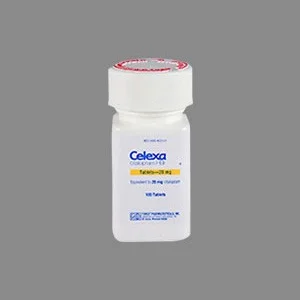




Anti-anxiety medications are drugs used to reduce anxiety, nervousness, and stress in patients with anxiety disorders, panic attacks, or related mental health conditions.
1. Common Types of Anti-Anxiety Medications:
-
Benzodiazepines:
-
Examples: Klonopin (Clonazepam), Xanax (Alprazolam), Valium (Diazepam)
-
Fast-acting; help relieve anxiety quickly
-
Can cause dependence if used long-term
-
-
Selective Serotonin Reuptake Inhibitors (SSRIs):
-
Examples: Zoloft, Prozac, Lexapro
-
Used for long-term anxiety management
-
Take several weeks to show effect
-
-
Serotonin-Norepinephrine Reuptake Inhibitors (SNRIs):
-
Examples: Effexor, Cymbalta
-
Help treat generalized anxiety and depression
-
-
Beta-Blockers:
-
Examples: Propranolol
-
Help manage physical symptoms of anxiety (rapid heartbeat, shaking)
-
-
Buspirone:
-
Non-benzodiazepine anxiolytic
-
Slower onset but lower risk of dependence
-
2. How Anti-Anxiety Medications Work:
-
Benzodiazepines: Enhance GABA activity, calming the brain and reducing anxiety.
-
SSRIs/SNRIs: Increase serotonin and norepinephrine levels to improve mood and reduce anxiety.
-
Beta-blockers: Block physical symptoms by reducing adrenaline effects.
-
Buspirone: Modulates neurotransmitters to reduce anxiety without sedation.
3. Important Information:
-
Avoid alcohol and sedatives while taking anti-anxiety medications.
-
Long-term benzodiazepine use may lead to dependence or withdrawal symptoms.
-
SSRIs/SNRIs may take 2–6 weeks to show effect.
-
Always follow doctor’s prescription; do not adjust dose yourself.
4. Common Side Effects:
-
Drowsiness, dizziness, nausea
-
Headache, blurred vision
-
Changes in appetite or weight
-
Mood swings or irritability
5. Serious Side Effects:
-
Severe allergic reactions
-
Confusion, unusual thoughts, suicidal ideation
-
Slow or irregular heartbeat
-
Addiction or dependence (especially with benzodiazepines)
6. Dosage:
-
Varies depending on medication type, severity of anxiety, and patient’s age and health.
-
Always follow doctor’s instructions.
7. FAQs:
-
Can I drink alcohol? – No, increases drowsiness and overdose risk.
-
Can I stop suddenly? – No, especially benzodiazepines; taper under medical supervision.
-
Are these medications addictive? – Benzodiazepines can be; SSRIs/SNRIs generally not.